
Roof Leak After Rain in Austin: What to Check Tonight and What to Do Next
If you just found a water stain or drip after a storm in Austin, put a bucket under any active drip, take clear photos, and check the attic only if it is safe to enter. Do not climb on a wet roof. Most after-rain leaks start at flashing, pipe boots, valleys, or storm-damaged shingles — and the ceiling stain is often not directly under the hole.
Vantage Roofing offers free roof inspections across Austin and nearby towns like Round Rock and Buda. We'll show you photos and tell you honestly whether it needs a repair, a replacement, or nothing at all.
What should you do the night you notice a roof leak?
Do this first:
Catch the drip. Move furniture, put down a bucket or towels, and keep people clear of a sagging ceiling.
Photograph the stain while it is still damp. Side light from a phone flashlight makes faint yellow or brown rings easier to see.
Note the date, how hard it rained, and whether the wind was strong. Wind-driven rain often finds gaps that a light shower does not.
Check other ceilings and upper walls for new spots, bubbling paint, or musty smells — especially kitchens, hallways, and closets under vents or valleys.
From the ground the next dry morning, look for missing or lifted shingles, dented vents, and debris in valleys. Stay off the roof.
If drywall is bulging with trapped water, releasing it into a bucket in a controlled spot is often safer than letting the ceiling collapse. That is damage control, not a repair.
Why isn't the ceiling stain under the leak?
Water rarely drips straight down from the entry point. It often runs along the underside of the roof deck, along a rafter, or through insulation until it finds a low spot in the drywall. A hallway stain can start at a vent on another slope.
If you can safely get into the attic after the rain stops:
Look for wet or matted insulation, dark or glossy decking, and water trails on wood.
Follow any trail uphill toward a ridge, vent, chimney, skylight, or valley.
On a bright day with attic lights off, pinholes of daylight through the deck are leak paths worth marking for a pro.
Skip the attic if there is standing water, wet wiring, or unstable flooring. Photos from a hatch still help.
Where do Austin roof leaks usually start after rain?
We see the same after-rain sources again and again:
Pipe boots. Rubber collars around plumbing vents crack in Texas heat. Wind-driven rain can push past a worn boot even when field shingles look fine.
Flashing. Metal at chimneys, sidewalls, skylights, and walls lifts or loses sealant. Water slips behind the covering and travels before it shows inside.
Valleys. Debris or worn covering in a valley lets water back up under the roof in heavy rain.
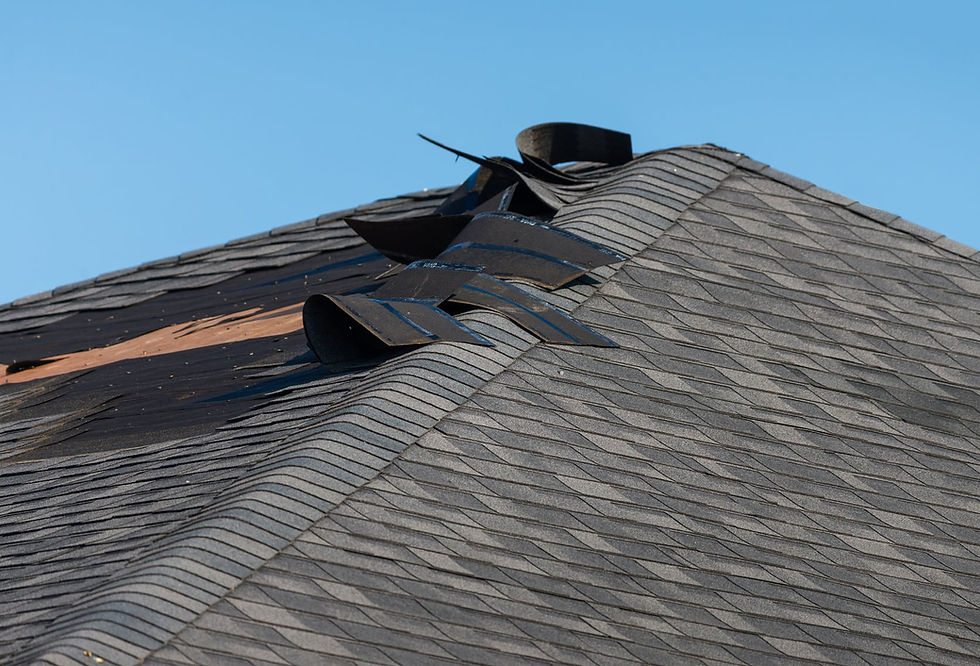
Missing or lifted shingles. Wind can lift or tear tabs. Hail can bruise shingles and knock off granules so the mat wears and later leaks.
Nail pops and open fasteners. Small holes leak a little at a time until a storm makes them obvious.
Metal roofs often leak at loose screws or worn washers. Tile roofs more often leak at cracked or slipped tiles and at the underlayment beneath them.
Travis County records frequent spring hail in NOAA's Storm Events Database, including quarter-size and larger reports around Austin and nearby suburbs. A county report does not prove your roof was hit — but storm damage can sit quiet until the next hard rain finds it.
Could the water be something other than the roof?
Yes. Rule out an AC condensate drip, upstairs plumbing, an ice-maker line, or duct condensation before you assume the roof. If the stain grows only when the AC runs or when a shower is used upstairs, say that when you book. We still check the roof and will tell you if it is dry and the problem is elsewhere.
Repair, tarp, or leave it alone?
A targeted repair usually makes sense when the leak traces to one boot, flashing run, valley section, or small storm patch, and the rest of the covering and decking are sound.
Emergency tarping buys time when water is still coming in and a lasting repair cannot happen the same day. It is not the fix.
A full replacement starts to make sense when leaks appear in several places, the covering is worn across slopes, decking is soft beyond a small area, or storm damage is widespread.
Sometimes you do not need a roofer. If we find a dry roof and an AC or plumbing issue, we will say so. An old, dry stain that does not grow through several storms may only need monitoring for now.
For most like-for-like covering repairs in Austin, the City of Austin exempts asphalt shingle replacement and roof covering work that does not affect the structure, plus roof decking repairs up to 128 square feet. The big exception is Wildland-Urban Interface property when 50 percent or more of the roofing is replaced. We check that before quoting larger work.
What happens on a Vantage Roofing leak visit?
We start with your photos, when it rained, and where the stain is.
We inspect the roof and, when access allows, the attic above the stain.
You get photos of the source, not just the ceiling.
You get a written estimate — or a clear note if replacement is the honest path, or if it is not a roof issue.
If water is active, we can discuss tarping. After a documented storm, we can help photograph damage for insurance.
Vantage Roofing backs its work with a 10-year workmanship warranty on full replacements and up to 1 year on service repairs.
Schedule a free roof inspection
Call (737) 383-1768 to schedule a free roof inspection in Austin, Round Rock, Buda, or nearby. Tell us you noticed a leak after rain. You can also use our contact page, read our guide to roof repair in Austin, or learn more about shingle roofing.
Frequently asked questions
Can you come look at it first before I decide anything?
Yes. Most leak calls start that way. Vantage Roofing comes out for a free roof inspection, checks the roof and attic when we can, and shows you photos. You get a written estimate and a straight recommendation. If it is not the roof, or you do not need work yet, we will tell you.
How soon can someone come out after I find a drip?
Call (737) 383-1768 and say whether water is still coming in. Active leaks get scheduled as soon as we can. A dry stain from last night still deserves a visit before the next rain. Same-day timing depends on weather and the route.
The stain is in my kitchen. Is that usually the roof?
Often yes, especially if it showed up after rain under a vent, valley, or exterior wall. Kitchens also have plumbing, so we do not assume. Tell us whether the spot only grows after storms or also when the sink or dishwasher runs.
Do I need a permit for a small leak repair in Austin?
Often no. The City of Austin exempts many like-for-like covering repairs and small decking repairs, with a Wildland-Urban Interface rule when half or more of the roof is replaced. We confirm address rules before larger scopes. Exempt work still has to meet code.
Can a newer roof still leak after a heavy rain?
Yes. Boots, flashing, valleys, and fasteners can fail while field shingles still look good. Wind-driven rain finds those edges first. A small stain on a newer roof is still worth checking before it becomes deck or insulation damage.
I am in Buda — do you inspect there too?
Yes. Vantage Roofing inspects homes in Buda and other nearby towns as well as Austin and Round Rock. Call (737) 383-1768 with your address and a short description of the stain or drip.
Comments